

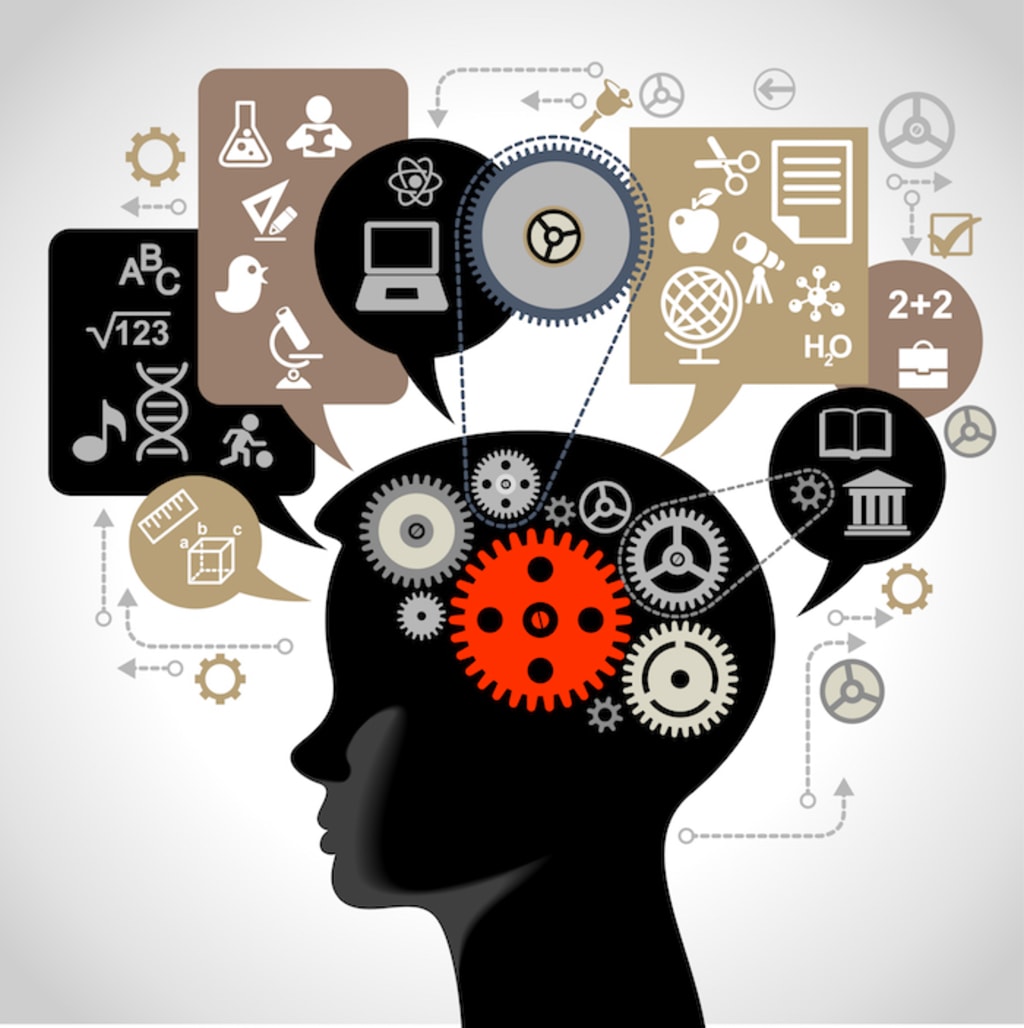

The idea that the medium is the message highlights how the tools we use to communicate shape not only what we say, but how we think, perceive, and interact with the world. Technology is no longer a neutral channel for information; it actively frames our understanding by influencing attention spans, emotional responses, and patterns of reasoning. From short-form videos to algorithm-driven feeds, the structure of digital platforms affects how ideas are consumed, prioritized, and remembered.
Modern technologies encourage speed, immediacy, and constant connectivity, often favoring simplified narratives over depth and reflection. As a result, thinking becomes more reactive and fragmented, shaped by notifications, visuals, and metrics such as likes and shares. While this accelerates access to information and amplifies diverse voices, it can also reduce critical engagement, making users more susceptible to misinformation and emotional manipulation.
At the same time, technology offers powerful opportunities to reshape thinking in positive ways when used consciously. Digital tools can foster collaboration, creativity, and global dialogue, enabling learning beyond traditional boundaries. Understanding how technology influences cognition allows individuals and communities to engage more ethically and intentionally—choosing platforms and practices that promote reflection, empathy, and informed decision-making rather than passive consumption.
